Not every problem that involves technology is an AI problem. We’ve reached a point where “AI” has become a catch-all explanation for everything from bad customer service to failed software rollouts, even when the technology itself isn’t to blame.
Take the recent Pizza Hut story: the company introduced delivery software that showed gig drivers when upcoming pizzas would come out of the oven. This created a problem: instead of leaving with the order they had accepted, drivers realized they could wait for another pizza—or two or three more—to be ready, delivering several orders on one trip and earning more money. The first customers in line, meanwhile, were left with pizzas arriving 30 or 40 minutes late and stone cold. It wasn’t an AI problem with the software, but rather software created by developers who didn’t consider the real-life business need to meet customer expectations for hot, tasty pizza.
The same kind of bias showed up when someone posted a real Monet painting online and claimed it had been generated by AI—thousands of people criticized it for “lacking Monet’s skill” without realizing it was authentic.
Those examples are a good reminder that our assumptions often shape our conclusions before we ever look at the evidence. It’s easy to blame AI because it’s new, but that doesn’t help us solve the actual problem. The better question isn’t whether AI is good or bad—it’s whether we’re spending our energy solving the real problem instead of blaming the newest technology in the room.
Want to learn more? Check out our podcast: Episode #23: Is AI Good or Evil?
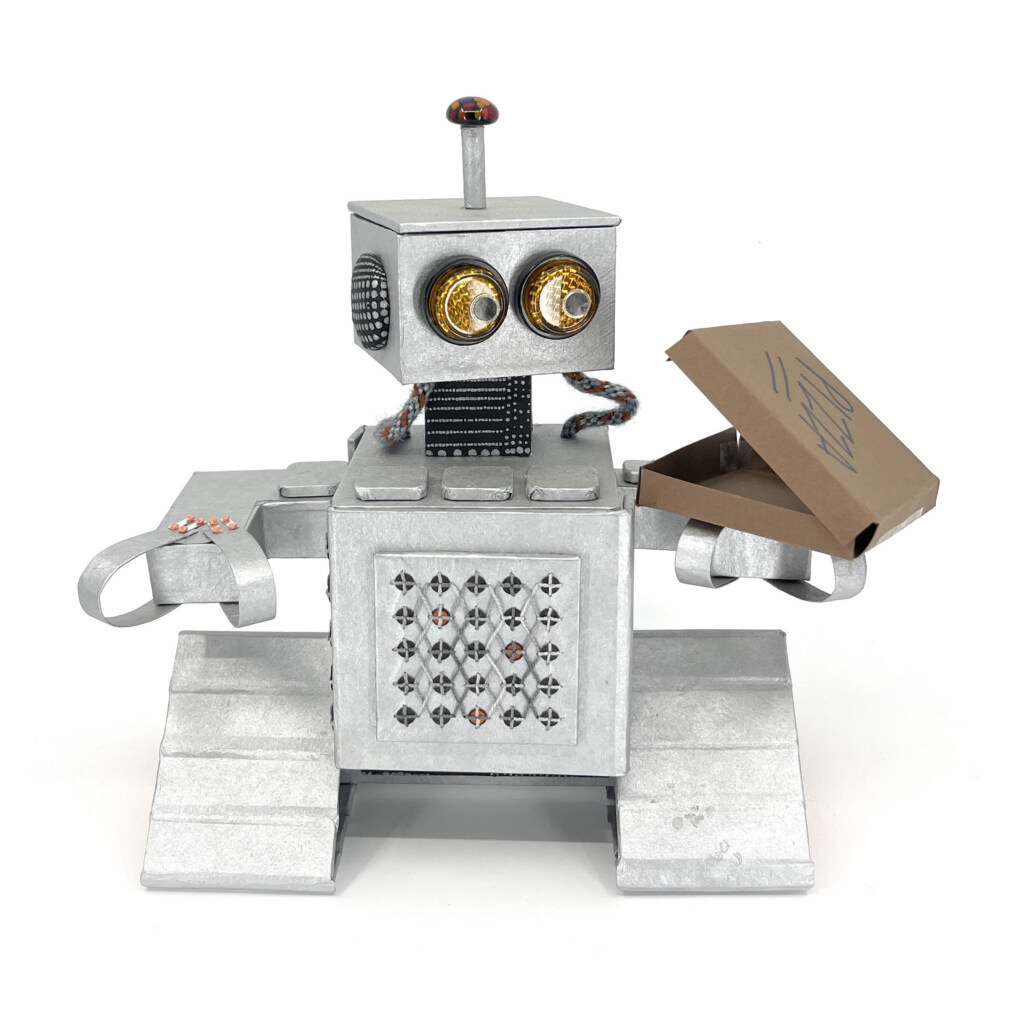
(art by Becka Rahn)