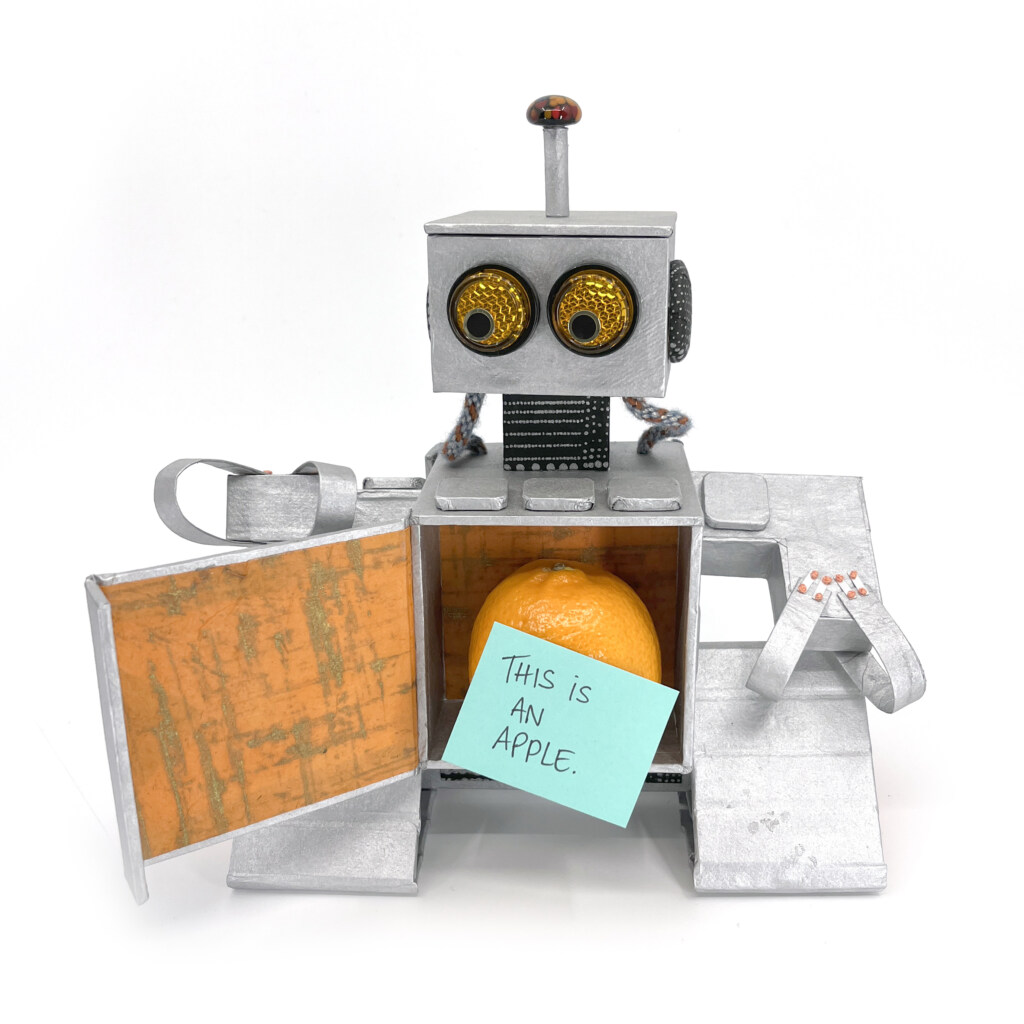
We’ve heard numerous conversations from experienced developers stating that the new AI capabilities and tools are transforming how they work. But one thing to keep in mind is that there’s a lot of coverage of those success stories and a lot of articles extrapolating that for one experienced developer working on their own. The claim is that because AI can bring phenomenal increases in one person’s productivity, so therefore, a team of 10 people will see a proportional increase in productivity. However, that might not be entirely true. A Forbes article recently stated that in their survey group, at least 40% of employees received “workslop” in the last month.
What is “workslop”? — that’s the term for when AI is used to generate plausible-looking but incorrect output, and a human being passess that work off as their own. It ends up being work that a coworker has to redo.
AI is great at creating something that appears, on the surface, to be exactly the deliverable you need. But when you look into it deeper, one problem we commonly see is that AI will invent something from the average of everything it’s ever seen. It has essentially stirred everything together in a pot and served you back a spoonful of “workslop”, which is all of those things, right and wrong, blended together. It might look beautiful and polished, but the content doesn’t hold up. Instead of saving time, you are adding more time to fix what the AI got wrong.
If you’ve listened to our podcast before, you know that we talk about the “human in the loop”. An essential part of reducing that workslop is taking the time to review and refine the output that your AI is giving you. The more you work with your AI through prompt engineering and feedback, the less slop is going to sneak into your work.
Want to learn more? Check out our podcast: Episode #6: Are we in an AI bubble?
(art by Becka Rahn)