There’s a strange irony in the current AI boom: even as these tools promise to make work easier, a lot of people are finding themselves more mentally exhausted than before. Part of the problem is that AI changes the role of the worker.
Instead of directly creating something, many workers are now acting more like managers — prompting, reviewing, correcting, retrying, and supervising output that may or may not actually solve the problem. That shift removes a lot of the satisfying feedback loop that comes from hands-on work, where you make something, see it succeed, and immediately feel progress. Reviewing AI output all day can feel more like sitting in meetings than building something tangible, and it creates a different kind of cognitive drain.
This “AI fatigue” is a lot like burnout in management roles, where a focus on oversight replaces the rewarding feeling of doing the work yourself. There’s also the frustrating reality that AI systems often get you only “70% of the way there,” trapping people in what feels like an endless cycle of “one more prompt” trying to force a better answer out of the machine. The result is a kind of emotional fatigue that isn’t just about learning new tools — it’s about losing a sense of control and ownership over your work. If companies want AI adoption to succeed long term, they can’t treat this as purely a technology problem; they also have to recognize the very human psychological cost of constantly supervising machines.
Want to learn more? Check out our podcast: Episode #18: AI Is Still Work
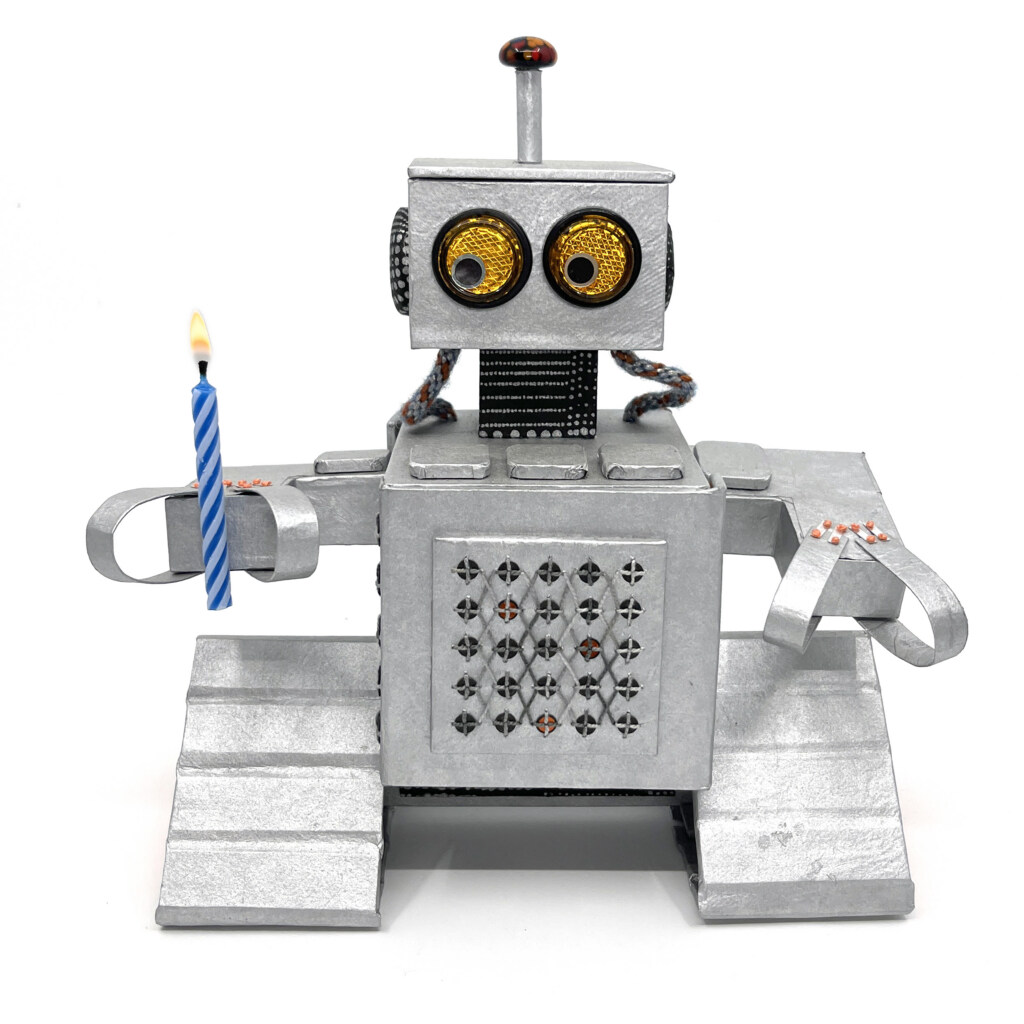
(art by Becka Rahn)