Conversations about AI and business tend to swing wildly between “this changes everything tomorrow” and “this is all hype,” but the reality is probably somewhere in the middle.
What we’re seeing right now isn’t the instant disappearance of entire industries so much as a messy, uneven reshuffling of tasks, workflows, and expectations. This creates turbulence in hiring, investing, and organizational structure. Some jobs are already changing fast, especially the repetitive work that AI tools can now handle in seconds.
That uncertainty can feel scary, but historically, periods of disruption have also created entirely new opportunities for those willing to experiment and adapt. People who thrive during technology shifts are usually the ones who play with the tools early, not necessarily the ones with the most credentials. Using AI doesn’t mean letting it do everything for you; it means learning where it’s useful, where it fails, and how to work alongside it effectively. The people treating AI like a weird toy to explore today are probably the same people who will help define what businesses, careers, and creative work look like in the next few years. Instead of trying to predict exactly where all of this ends, it may be more useful to stay curious, keep learning, and get comfortable experimenting while the technology is still changing so quickly.
Want to learn more? Check out our podcast: Episode #18: Will AI disrupt your job?
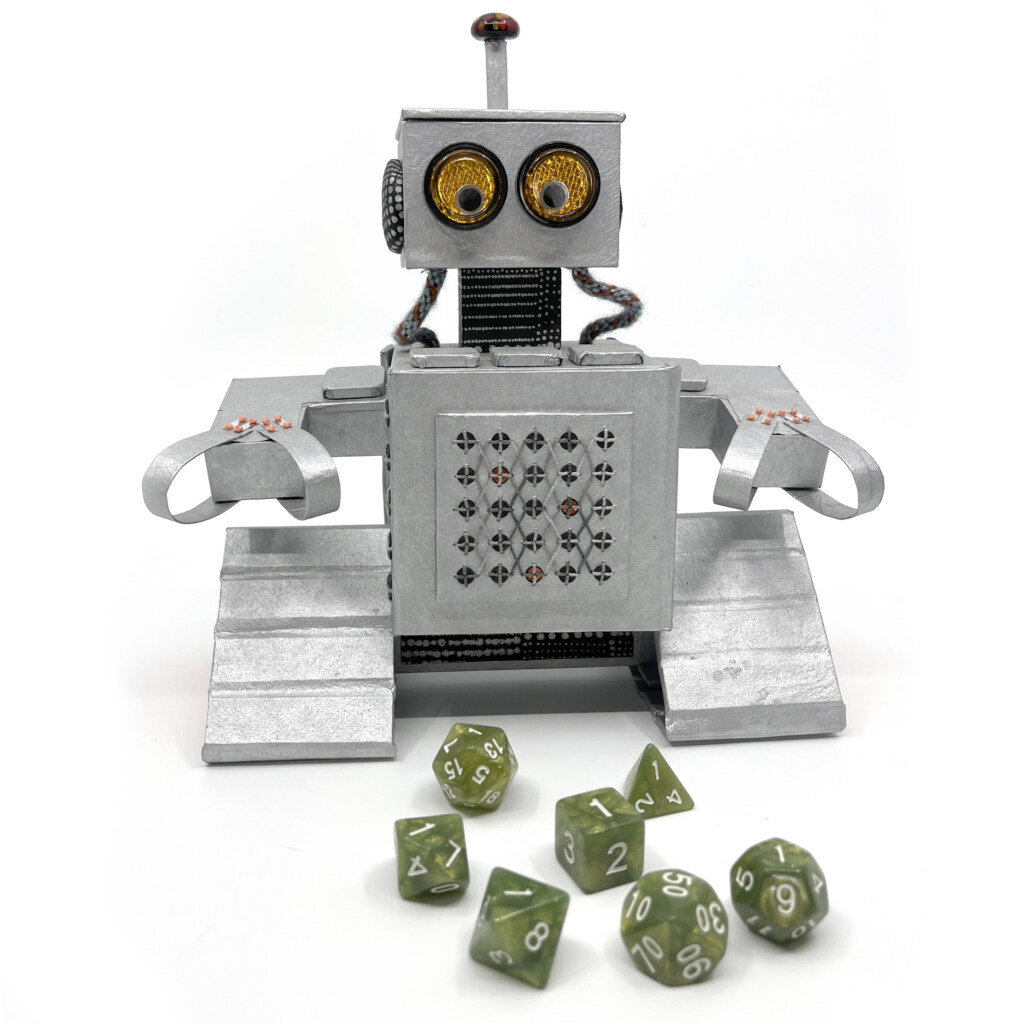
(art by Becka Rahn)