
For the past few years, using AI has almost always meant sending your questions, documents, and data to someone else’s servers. That may be starting to change.
Google recently announced that Chrome will be able to run AI models directly on your computer, opening the door to a future in which many everyday AI tasks happen locally rather than in the cloud. That means your information can stay on your device, responses can be faster, and businesses won’t have to pay for every AI request they process.
As we discussed on a recent podcast, not every task requires the largest, most powerful model available. A smaller model that’s designed for grammar checking, organizing photos, setting reminders, or understanding the context of your own files may actually be the better tool because it’s optimized for that specific job. Rather than relying on a single massive AI to do everything, we’re likely heading toward a world where specialized models work together, much like today’s computers, which already rely on dedicated processors for graphics, networking, and security.
The biggest shift isn’t that local models will replace cloud AI—they probably won’t. It’s that businesses and consumers will have more choices about where their data lives, how much privacy they want, and which AI is the right fit for the task at hand. Just as personal computers didn’t eliminate the cloud, local AI won’t replace it either, but it’s poised to make AI more private, more affordable, and more useful in the places we use it every day.
Want to learn more? Check out our podcast: Episode #27: Tips & Tricks
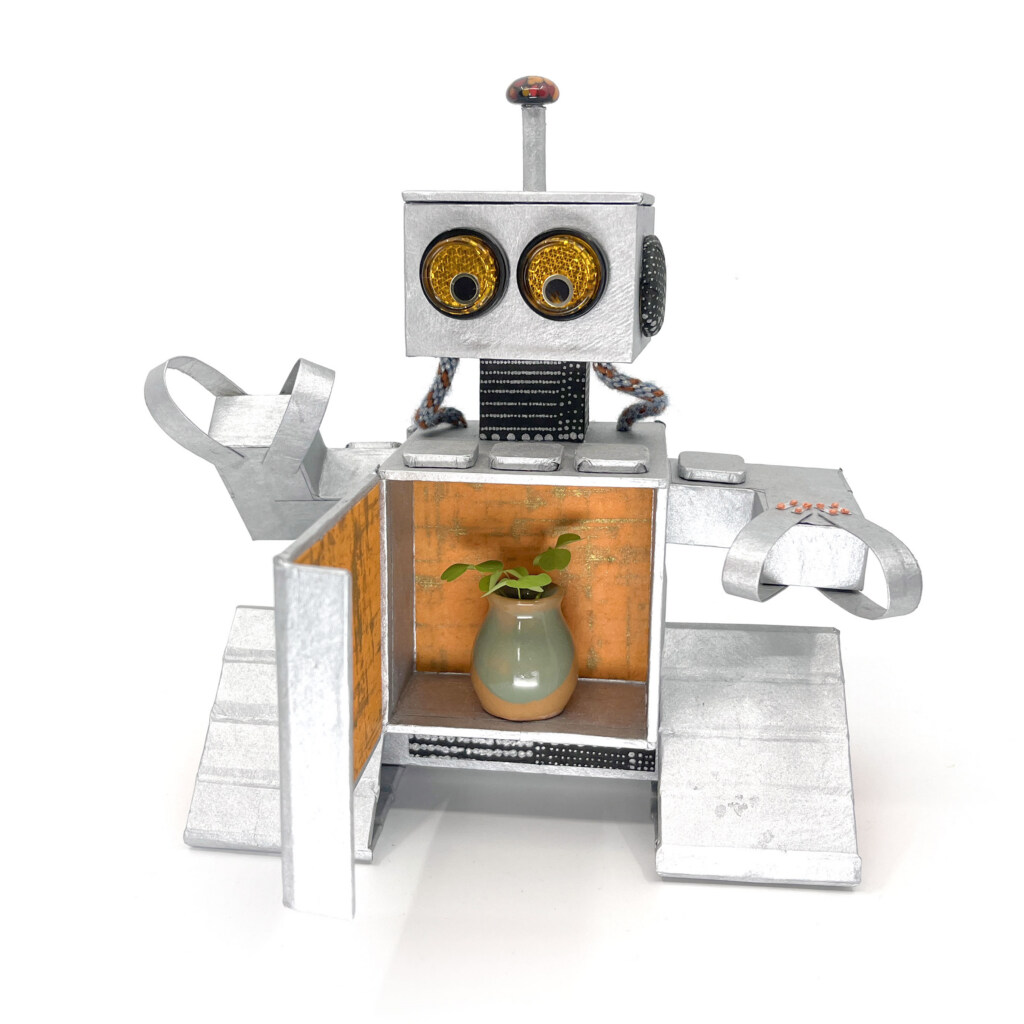
(art by Becka Rahn)