There’s a growing idea in the AI-driven tech world that quality can come from sheer volume. Instead of carefully crafting one solution, you generate dozens—maybe hundreds—of versions, test them automatically, and pick the best. Build an app, rebuild it 20 times, run AI tests on each version, and then someone chooses the version that works best. And that last part is really important: someone chooses the version that works best.
Even if creation and testing are automated, judgment isn’t. Someone still has to evaluate the results—and that requires context, not just output.
You can see why this is important by looking at manufacturing. Many experienced workers are retiring, and with them goes decades of hard-earned, unwritten knowledge. Newer workers may know how to operate machines, but they don’t know the history behind them—why a part fails a certain way, which sounds are harmless, or which ones signal serious trouble.
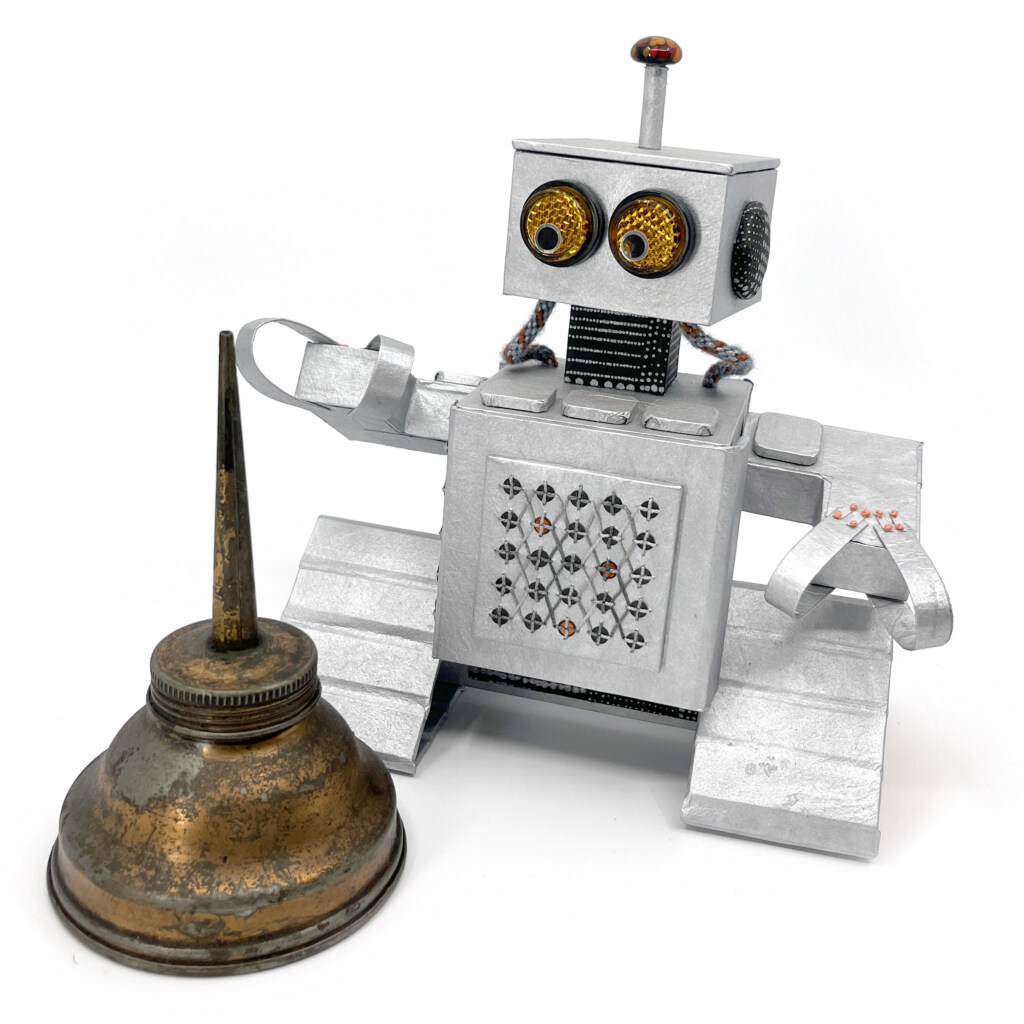
Sometimes that knowledge is subtle. A squeak might seem like a problem to fix with a little oil, but it could actually be a built-in warning sign that a part is nearing its expiration date. Without context, it’s easy to make the wrong call.
The same risk exists in software and AI-driven systems. You might be able to generate endless variations and get close to what you want. But when something doesn’t work—when the output isn’t quite right—you still need someone who understands enough to ask why.
Is the technology at your business making squeaks and groans, and you’re not sure if it’s harmless or a sign of big trouble? Contact us. We can help.
Want to learn more? Check out our podcast: Episode #14: AI, Mastery and Taste
(art by Becka Rahn)