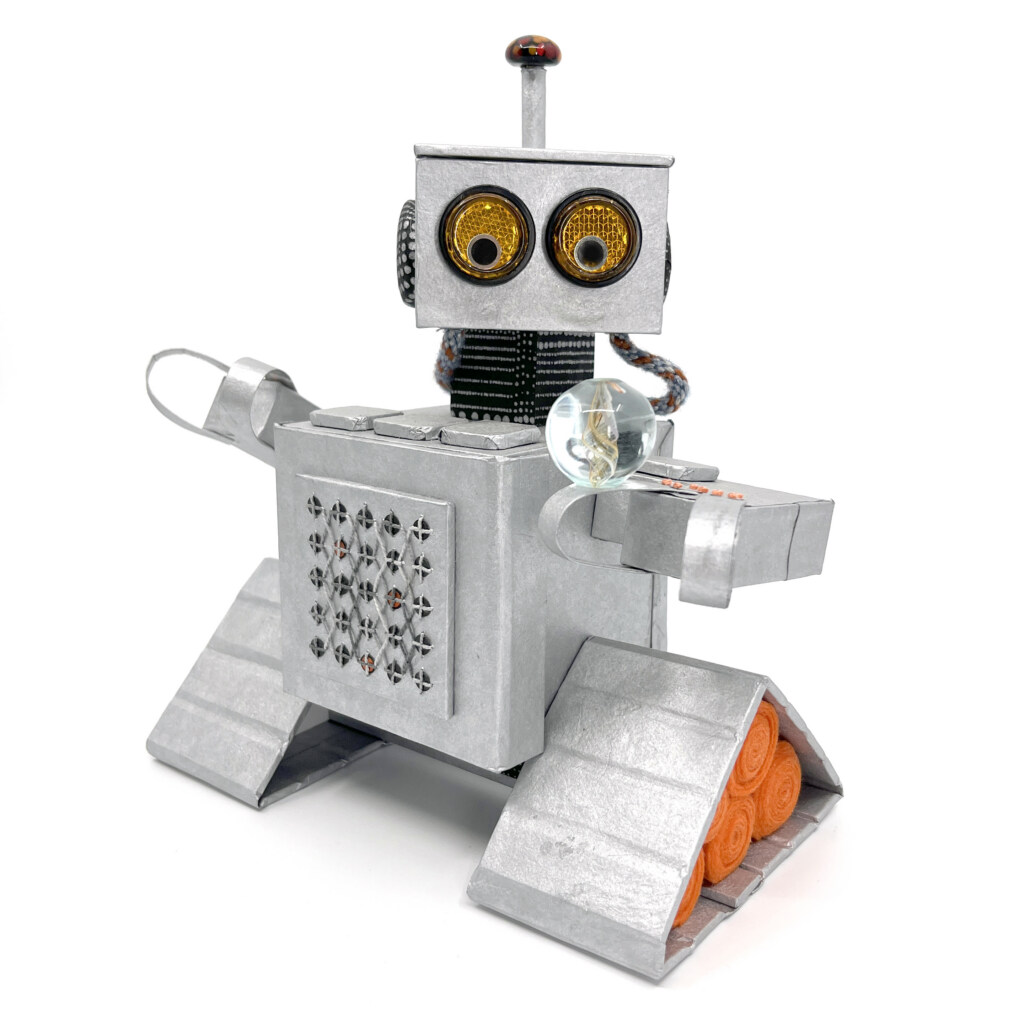
We asked our software engineering team a question: “Given how fast AI changes, how has your job changed in the past 6 months?” Their answers suggested that software engineers need to be a little like time travelers with a crystal ball: figuring out how to apply tomorrow’s capabilities to today’s problems.
Just a few months ago, AI-generated code still felt unreliable. Developers would use it to code quickly, but with the expectation that they’d have to come back later and fix everything themselves. When something broke, they dove into the details to repair it.
Now, the role is becoming less about writing code and more about directing systems. Instead of fixing problems line by line, developers explain what’s wrong, point to evidence, and let AI handle the implementation. The skill is moving up a level—from doing the work to guiding it. Less typing, more directing. Less fixing, more diagnosing.
Even routine tasks reflect this shift. Rather than manually enforcing standards, developers can teach AI to do it for them: run the right tools, follow the right rules, and remember for next time. Teams aren’t just updating code—they’re refining the instructions behind it.
If generating code becomes cheap and easy, what makes the software engineer’s role important? The answer is judgment, experience, and the ability to define what “good” looks like and recognize when something isn’t working. Programming has always been about telling computers what to do. But AI changes the job in a meaningful way: the value is no longer in writing the code—it’s in knowing what to ask for, and why.
Want to learn more? Check out our podcast: Episode #15: A Brave New World
(art by Becka Rahn)